
Following the eviction of the Jayne’s Baby Bank store at 68 Tredegar Street, Risca, on 8 June 2026, a Notice under the Torts (Interference with Goods) Act 1977 was reportedly served. According to information received from anonymous sources, the occupiers were given at least 14 days to remove their belongings from the property before further action could be taken.
Our understanding is that no arrangements were made with the landlord to clear the premises despite the notice having been served. The store is also understood to have been in rent arrears for an undisclosed period. Public activity at the premises had largely ceased, with the last known opening taking place around the middle of December 2025.
There were subsequent attempts to recruit volunteers to reopen or operate the shop, but these were unsuccessful. In one instance, a prospective volunteer reportedly explained that they could only assist if they were allowed to bring their dog, as it could not be left alone. Shortly afterwards, the same dog was allegedly presented publicly as one of the organisation’s “rescues”. The volunteer later disputed this account publicly, stating that the claim was untrue. Following that exchange, public activity relating to the shop appears to have declined significantly.
Clearance Begins
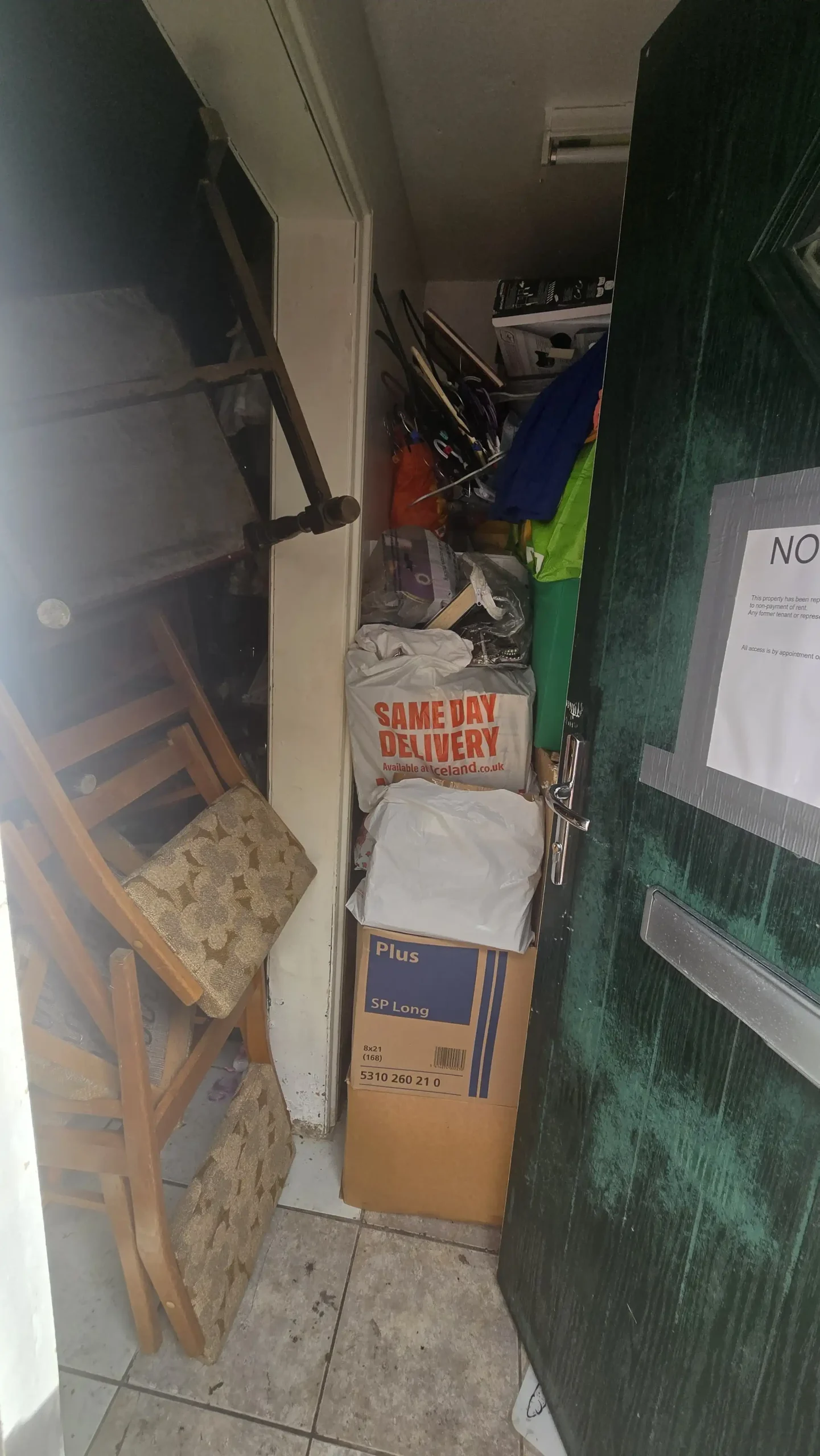
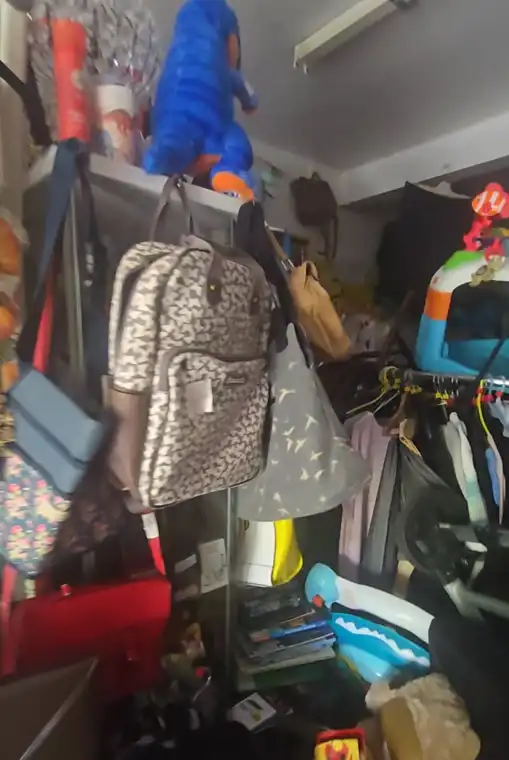
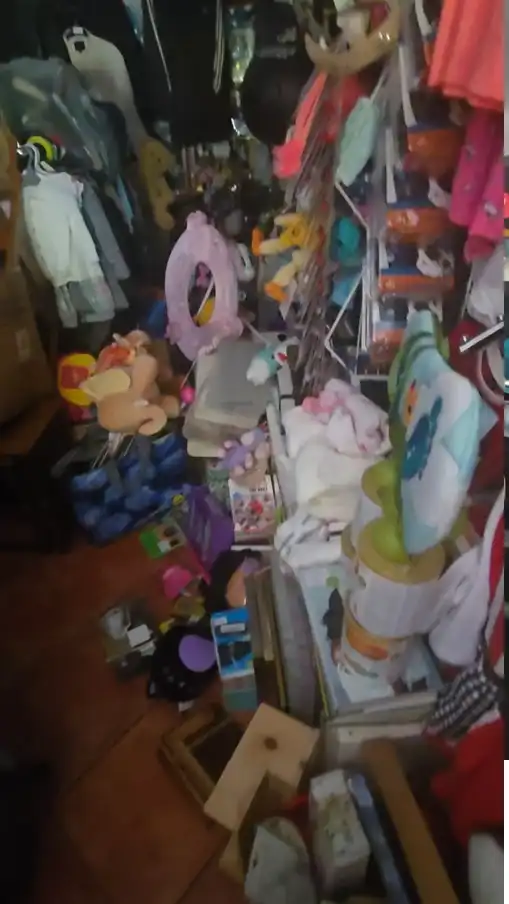
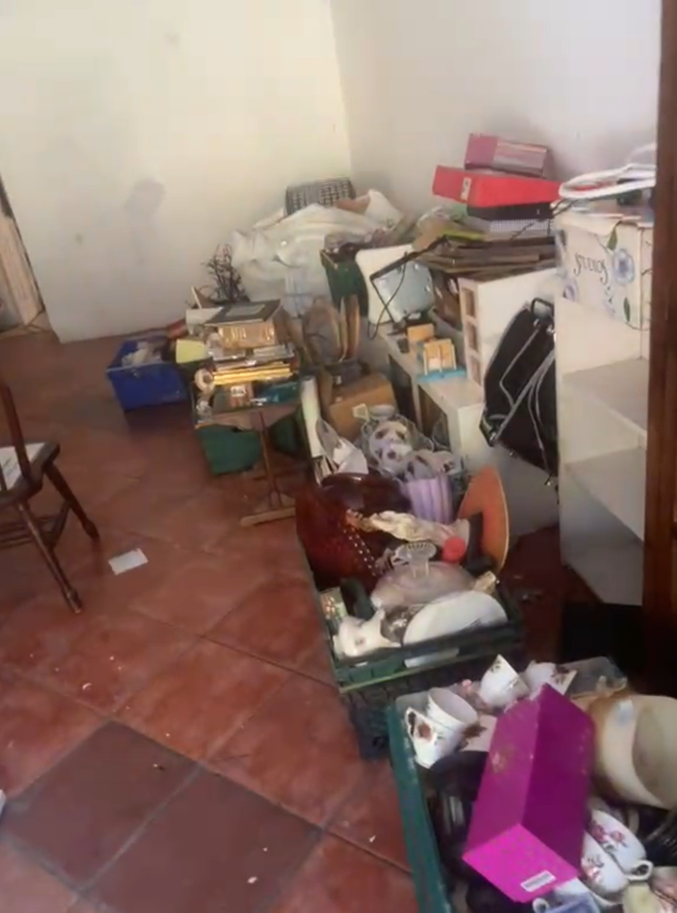
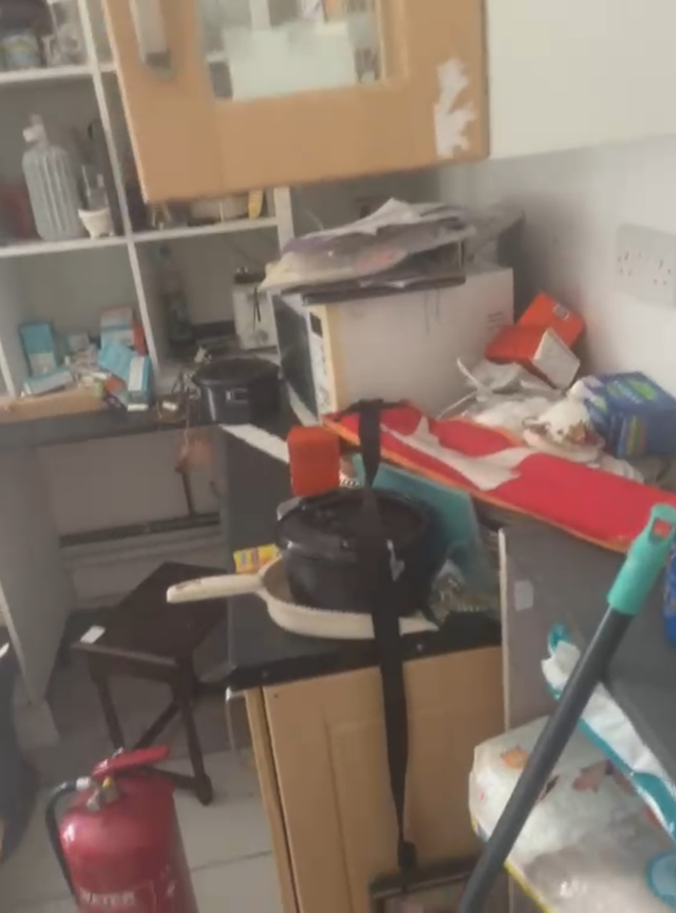
On Wednesday, a clearance team attended the property to remove the remaining contents. According to those involved, every room was reportedly packed with donated items, leaving very little usable space throughout the premises.
They also reported that the designated rear fire exit had been obstructed by bags of clothing. It was not possible to access the rear of the shop from the front, and the rear door could only be opened a short distance, preventing anyone from entering or exiting through it.
Through the Grapevine
As the clearance continued, members of the Exposed Group began reporting sightings of several vans outside the premises. As a precaution, and to avoid disrupting those carrying out the work, we deliberately withheld that information until the operation had progressed.
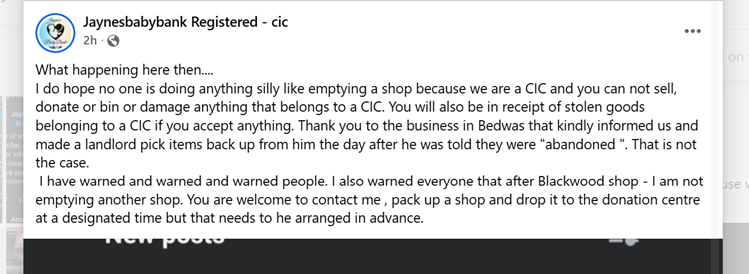
After rumours of the clearance began circulating on social media, Carrie-Anne published the following statement on Facebook:
“What happening here then…. I do hope no one is doing anything silly like emptying a shop because we are a CIC and you can not sell, donate or bin or damage anything that belongs to a CIC. You will also be in receipt of stolen goods belonging to a CIC if you accept anything. Thank you to the business in Bedwas that kindly informed us and made a landlord pick items back up from him the day after he was told they were “abandoned”. That is not the case. I have warned and warned and warned people. I also warned everyone that after Blackwood shop – I am not emptying another shop. You are welcome to contact me, pack up a shop and drop it to the donation centre at a designated time but that needs to be arranged in advance.”
(Quoted as published.)
A short time later, she published a video expanding on those claims.
She stated:
“We’re not a normal tenant with a registered CIC. So you cannot dispose, sell, clear… you’ve got to put it into storage and claim the storage costs. You can’t sell, give away, damage any of our stock or equipment in any of our shops because it belongs to the CIC and is classed as a CIC asset and not my personal stuff.”
She continued:
“The landlord is fully aware that we were a registered CIC which legally you need a specialist court order to dispose, sell, gift, or damage, or bin anything that belongs to them which they haven’t got.”
Later in the video, she added:
“Yes, you’re 100% right, under tort law the landlord has to give you X amount of time to collect your belongings, but maybe what the haters don’t realise is that the landlord stopped us from collecting in the designated time period.”
Finally, she claimed:
“You can’t just dispose of it. You can’t just chuck stuff out that belongs to a charity or a CIC. You can’t just sell it on to a clearance firm. You can’t just pass it on to somebody else… So it has been reported as theft in progress and criminal damage.”
The Legal Position
This section addresses the legal assertions made in the Facebook post and accompanying video. It is not intended to determine the outcome of any civil or criminal proceedings.
Several of the legal assertions made in the Facebook post and subsequent video do not accurately reflect the applicable law.
A Community Interest Company (CIC) is a type of limited company. While its assets belong to the company rather than its directors, a CIC does not enjoy any special exemption from landlord and property law, nor does it require a separate legal process simply because it is a CIC.
Under the Torts (Interference with Goods) Act 1977, where goods are left behind after an occupation has ended, the person lawfully in possession of those goods may, after giving reasonable notice, exercise their legal rights if those goods remain uncollected.
Based on information received from multiple independent sources, such a notice was reportedly served following the eviction, providing the occupiers with at least 14 days to remove the contents of the premises.
We are unaware of any provision within the Torts (Interference with Goods) Act 1977, the Companies (Audit, Investigations and Community Enterprise) Act 2004, or the Community Interest Company Regulations that requires a landlord to obtain a “specialist court order” before dealing with uncollected goods solely because they belong to a Community Interest Company.
Likewise, the Act does not impose a blanket requirement that goods must first be placed into storage. The legal obligation is to provide reasonable notice and act in accordance with the rights and duties of a bailee.
Carrie-Anne also alleges that the landlord prevented the organisation from collecting its belongings during the notice period. We have not seen any documentary evidence supporting that assertion. Should such evidence become available, we will review it and update this article accordingly.
Finally, the suggestion that anyone accepting items from the clearance would automatically be “in receipt of stolen goods” is not supported by law. Whether an offence has been committed depends upon the facts of the individual case and any subsequent findings by the relevant authorities, not simply on the fact that the goods previously belonged to a Community Interest Company.
The Images
The following photographs were taken during the clearance of the property and provide an overview of the condition of the premises and its contents at the time.





… Sherlock